Beyond Houses: Marketing Prefab to Schools, Clinics and Worker Accommodation
By Editor · January 2026
A quick note: article images are stock photos or AI concept visuals, there to illustrate ideas. Our client renders are a different story — every one is hand-built by our 3D team.
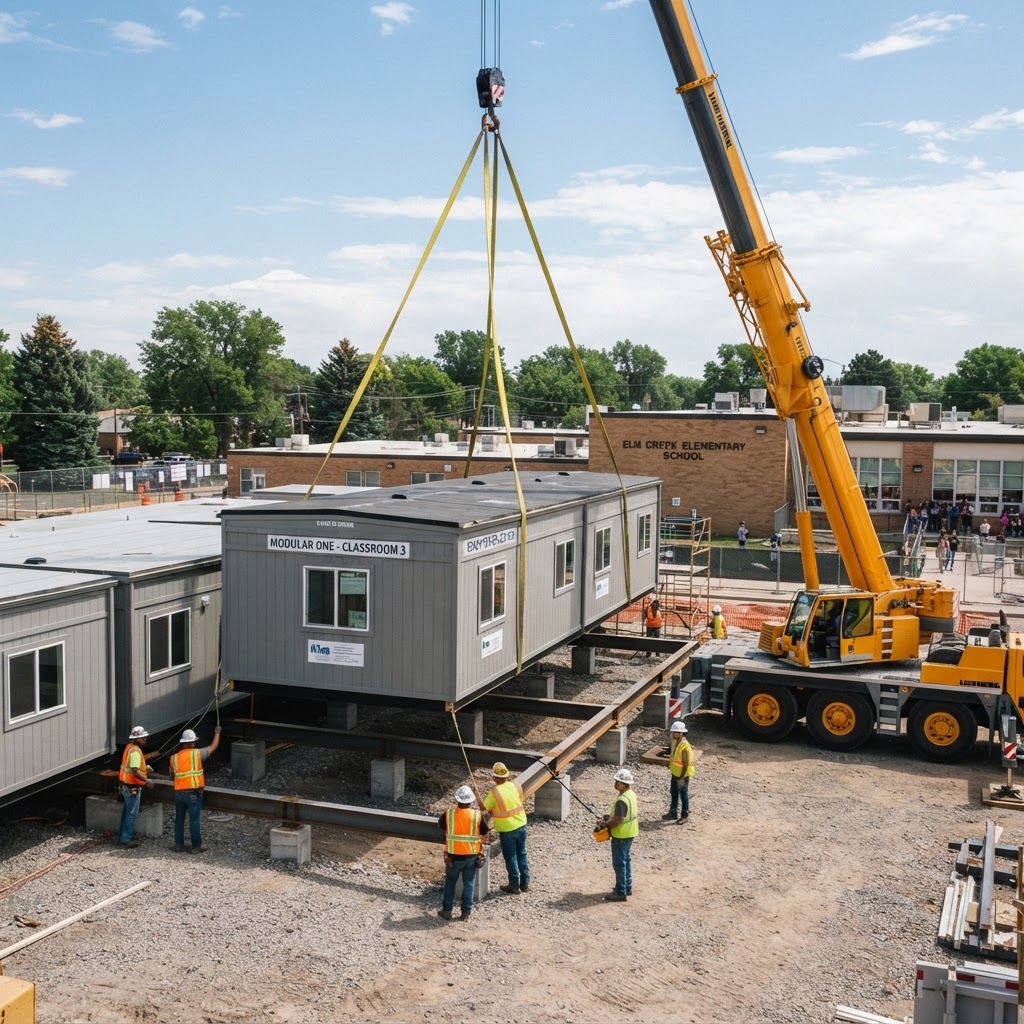
Residential prefab gets the marketing attention, but the commercial and government market — classrooms, medical rooms, mining and farm-worker accommodation, tourism cabins — is often where the real revenue sits. And it buys nothing like a home buyer. There are no Instagram ads, no lifestyle renders, no emotional 'imagine your life' campaigns. Commercial modular buildings marketing runs on tenders, procurement panels and relationships, and the companies that learn to speak that language find that one commercial contract can outweigh a year of residential leads.
The commercial buyer is not your home buyer
A procurement officer evaluating modular classrooms is not falling in love with a render. They are scoring a tender against criteria: compliance, timeframe, proven capacity, risk. B2B construction marketing to this audience means speaking in their language — proof of delivery, certifications, references, cost certainty — not the language of lifestyle marketing. Modular classrooms marketing that leads with beautiful photography misses the buyer entirely; it needs to lead with capability.
The capability statement is your tender weapon
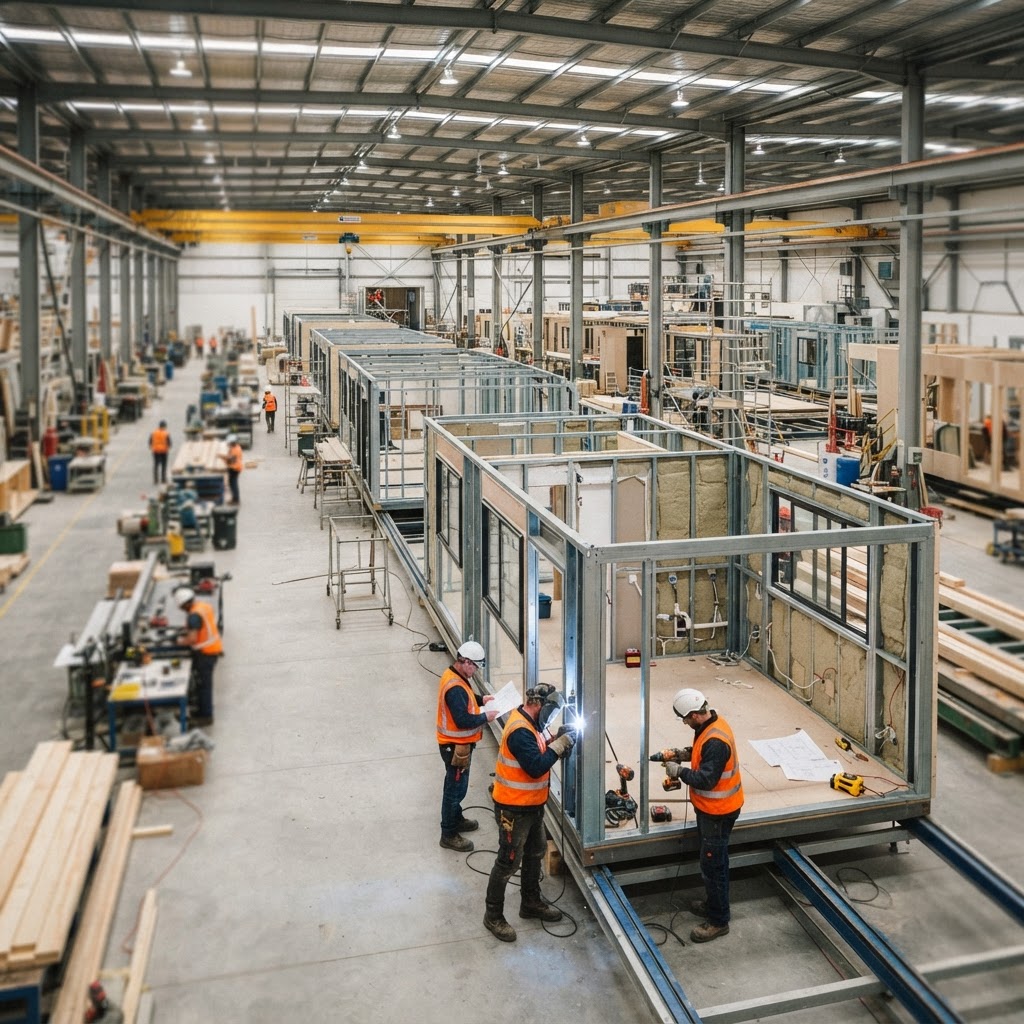
If residential marketing runs on a website, commercial marketing runs on a capability statement. It's the document a procurement officer shares internally to argue for your inclusion on a panel. A prefab tender capability statement should carry your accreditations, project history, capacity, typical timelines, key personnel and references — all in a format an evaluator can scan in minutes. Without one, you're not even in the conversation when a tender opens.
Case studies written for procurement
Build your commercial marketing around these
- Capability statement — accreditations, capacity, timelines, personnel, references, in a scannable format.
- Procurement case studies — written around compliance, timeline and budget certainty, not lifestyle.
- LinkedIn as the channel — where procurement officers and project managers actually live.
- Panel relationships — get on approved supplier lists before tenders open, not after.
A residential case study tells an owner's story. A commercial case study proves a delivery. Worker accommodation prefab case studies should show the contract value range, the timeline met, the compliance ticked, the site challenges solved — the things a procurement officer needs to justify choosing you. The same build, written two ways, serves two markets. The companies that write the commercial version are the ones shortlisted for the next tender.
LinkedIn is the channel
Residential buyers scroll Instagram. Commercial buyers — project managers, procurement officers, facilities managers — scroll LinkedIn. B2B construction marketing on LinkedIn means publishing project milestones, capability content and industry commentary where the people who award contracts actually spend their attention. It's slow, relationship-led, and it compounds: the procurement officer who's been reading your posts for a year is the one who thinks of you when a tender opens.
The commercial market won't come to your website and fall in love with a render. It comes through capability statements, procurement-ready case studies and relationships built on LinkedIn. Build those, and one contract can quietly outweigh every residential lead you chased all year.
Want marketing that wins commercial contracts? Talk to Craneday Studio about your B2B modular marketing.
Get in touch